



For just $2.99, you and your church family can have fun while learning a powerful lesson about the importance of food safety! YouTube allows you to purchase and own the episode above—simply click play, and you’ll be prompted to buy it for $2.99.
Five Things We Will Learn
- How simple food-safety practices are an expression of love and stewardship within the church family.
- Why shared meals require intentional care to protect the most vulnerable among us.
- How biblical fellowship around the table connects spiritual love with practical responsibility.
- What everyday habits—like handwashing and temperature control—prevent avoidable illness.
- How serving safely honors God and preserves unity, trust, and joy in our gatherings.
Love Serves Safely: A Lesson from Emergency! on Food Safety
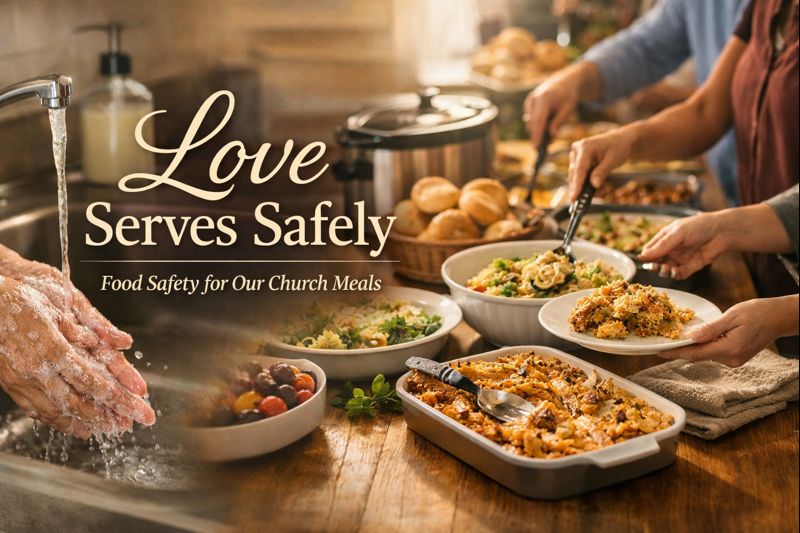
To have fun while learning important life lessons, we’re sharing a classic episode from the 1970s TV show Emergency! here on The Torch, our website’s home for inspiring and practical content.
This post features the powerful botulism episode from Season 1 (often listed as Episode 2 or 3 on streaming platforms, aired January 29, 1972). The story dramatically illustrates how one innocently mishandled home-prepared meal can unintentionally put many people at serious risk—a vital reminder for all of us who prepare food at home and bring it to share during the shared meals we enjoy every time our church gathers.
The Episode’s Timely Warning
Paramedics Johnny Gage (Randolph Mantooth) and Roy DeSoto (Kevin Tighe) respond to a movie studio call where cameraman Jim Parker has fallen and broken his leg in odd circumstances. They rush him to Rampart General Hospital, where Dr. Kelly Brackett (Robert Fuller) risks his career by diagnosing the rare and deadly illness botulism before full lab confirmation.
Working alongside Dr. Joe Early (Bobby Troup) and head nurse Dixie McCall (Julie London), the team traces the source to contaminated home-canned food shared by well-meaning Nancy Dickson (Susan Seaforth). As more victims appear, they race to warn her and prevent further harm.
This real-medicine-inspired episode shows how small oversights in food handling can affect a whole group—much like one dish brought to our shared church meals.
Understanding Botulism
Botulism is a rare but serious illness caused by botulinum toxin, one of the most potent neurotoxins known. The bacterium Clostridium botulinum lives in soil and dust, forming heat-resistant spores.
The toxin develops in low-oxygen, low-acid conditions, such as improperly processed home-canned foods.
Foodborne botulism (featured in the episode) occurs from eating pre-formed toxin in:
- Improperly home-canned low-acid foods (e.g., green beans, beets, corn, asparagus, meats, fish).
- Items like garlic/herbs in oil or room-temperature foil-wrapped baked potatoes.
It causes paralysis that can impact breathing, making it a medical emergency requiring prompt antitoxin.
Key prevention steps:
- Use pressure canning for low-acid foods.
- Follow USDA-tested recipes precisely.
- Boil home-canned foods for 10 minutes before serving.
- Discard suspicious items (bulging lids, odd smells).
Loving Your Church Family Through Safe Food Sharing
Our shared meals every time we gather reflect the early believers’ joyful fellowship as they broke bread together (Acts 2:46). As this Emergency! episode reminds us, bringing food to share involves caring responsibility. “Let all that you do be done in love” (1 Corinthians 16:14, ESV) means preparing, transporting, and handling dishes thoughtfully to protect everyone.
In our church, we even have a joyful reminder after prayer: “Loving Jesus is Washing Your Hands”—a fun way to encourage thorough handwashing before handling the food everyone has brought.
Here are practical, easy-to-follow tips for safe and joyful shared meals:
Food Safety Tips for Our Shared Church Meals
Inspired by lessons on careful preparation – “Let all that you do be done in love” (1 Corinthians 16:14, ESV)

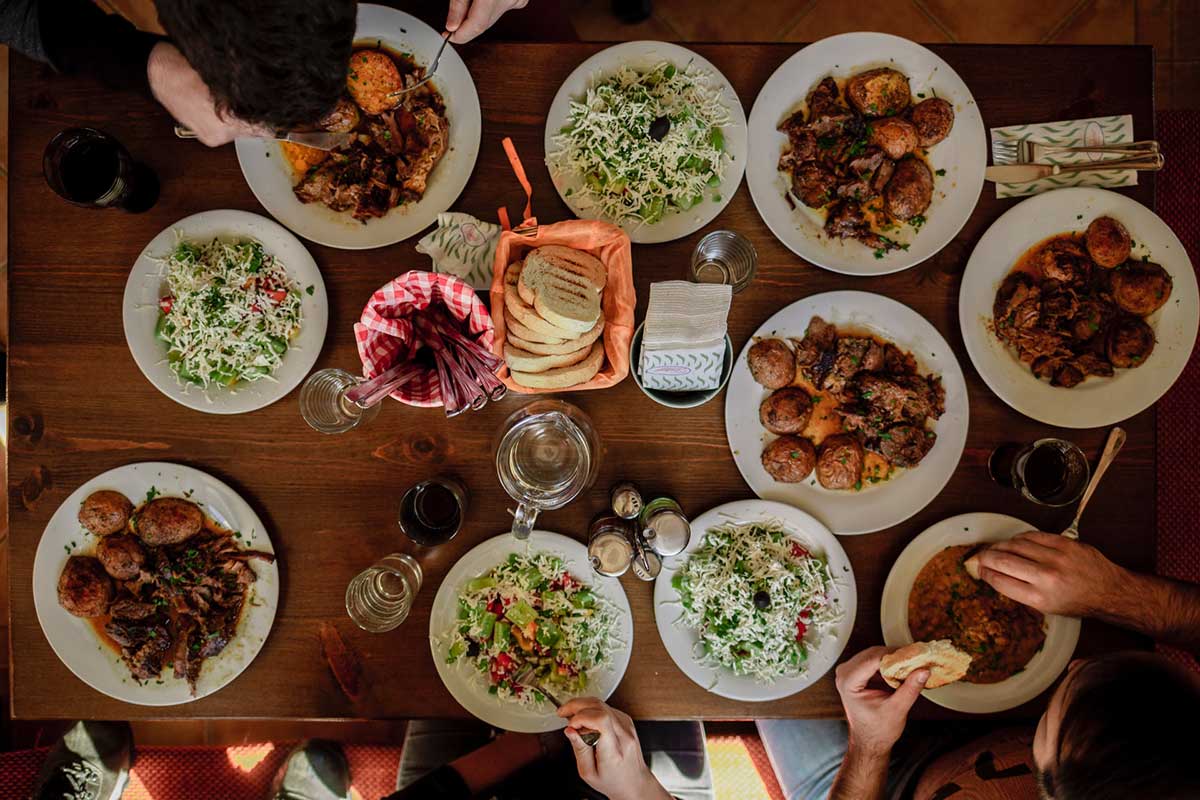

Sharing food is a beautiful way to show love and build community in our church family. By handling food safely at home, during transport, and at gatherings, we protect one another and honor God through stewardship and care (Colossians 3:23, NIV: “Whatever you do, work at it with all your heart, as working for the Lord”).
1. Keep Food Out of the “Danger Zone”
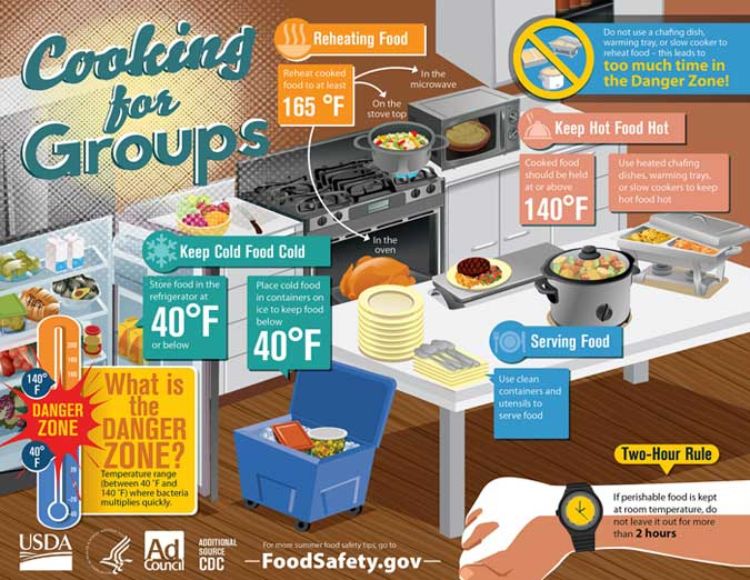
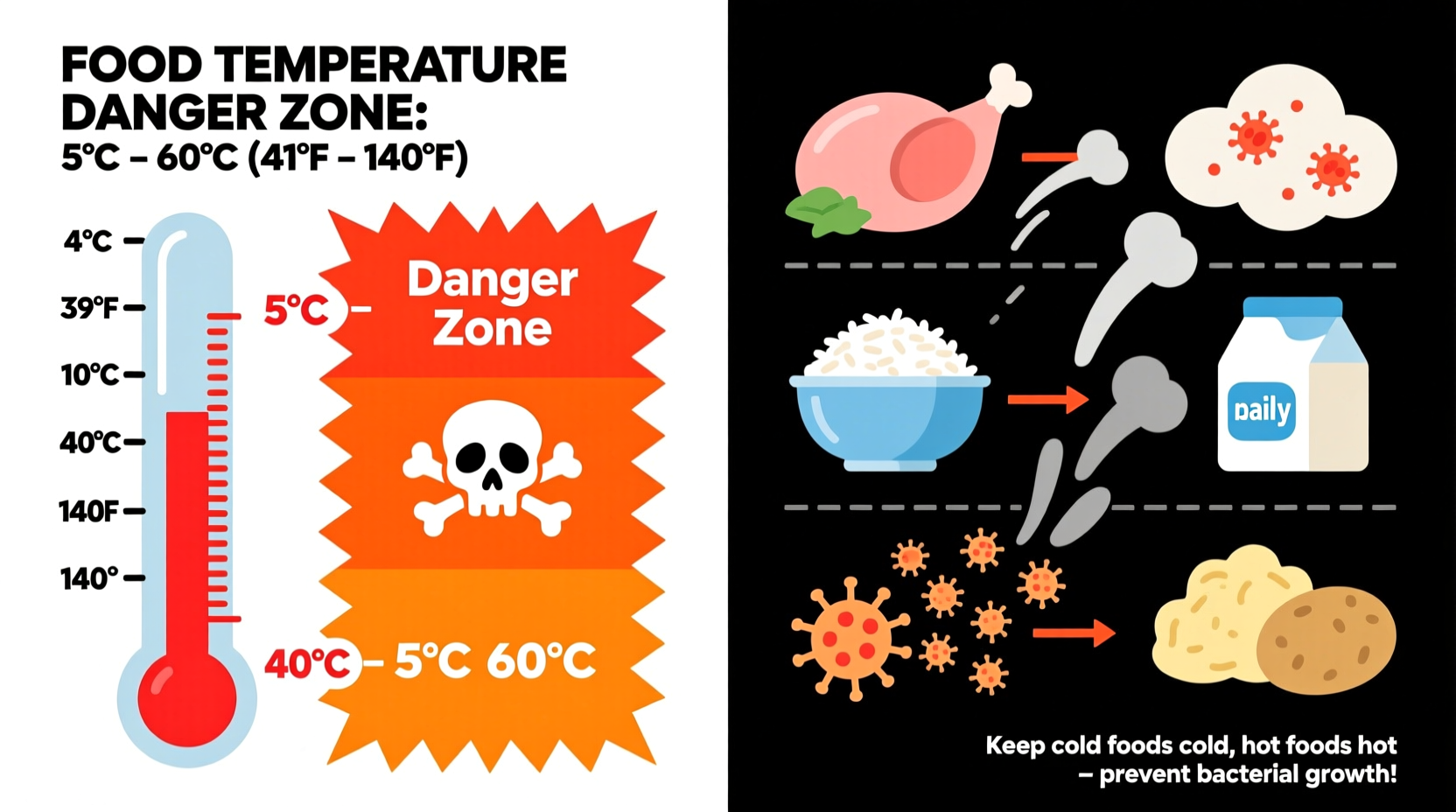
Bacteria grow fastest between 40°F and 140°F. Don’t leave perishable food out longer than 2 hours (or 1 hour if it’s warm).
- Keep hot foods hot (>140°F) and cold foods cold (<40°F).
- Use slow cookers for hot dishes and coolers with ice packs for cold ones.
2. Wash Hands Thoroughly – “Loving Jesus is Washing Your Hands!”


Clean hands prevent spreading germs (like norovirus, a common outbreak cause). Remember our fun reminder after prayer!
- Wash with soap and water for at least 20 seconds – before and after handling food, raw meat, or using the bathroom.
- If sick (especially with stomach issues), let someone else prepare the dish.
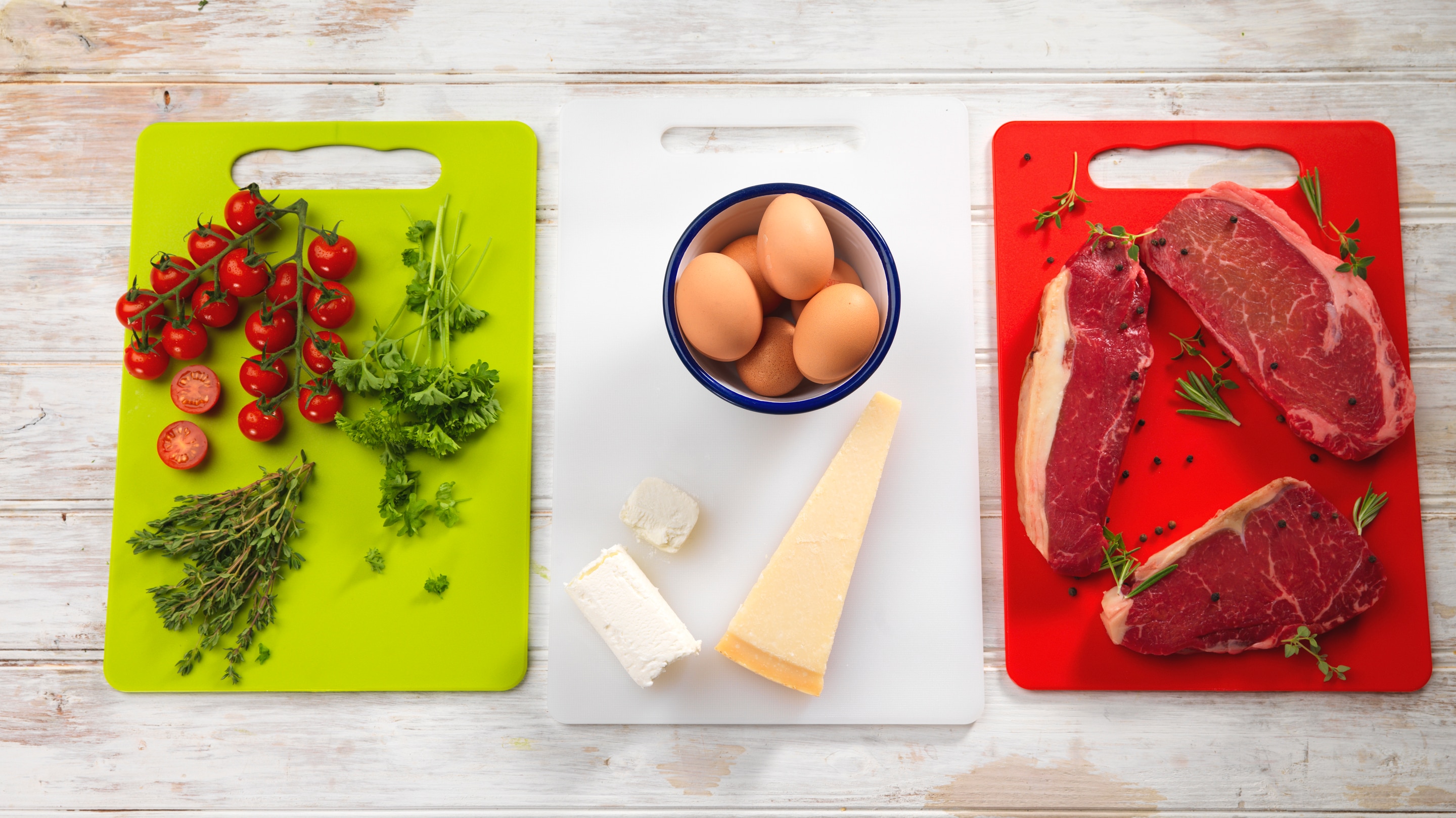
3. Prevent Cross-Contamination
:max_bytes(150000):strip_icc()/color-coded-cutting-boards-996030_final-01-9ca266b91e76472ba659dc307e22b24c.png)
Keep raw meats separate from ready-to-eat foods.
- Use separate cutting boards and utensils for raw meat/poultry and vegetables/fruits.
- Wash counters, knives, and hands after handling raw items.
4. Cook and Reheat to Safe Temperatures
:max_bytes(150000):strip_icc()/__opt__aboutcom__coeus__resources__content_migration__serious_eats__seriouseats.com__images__2016__10__20161008-meat-temp-5-e10885b8363b44bf825df1d9ae43a702.jpg)

Use a food thermometer – color alone isn’t reliable!
- Ground beef: 160°F
- Poultry: 165°F
- Casseroles/reheated foods: 165°F
5. Safe Home Canning
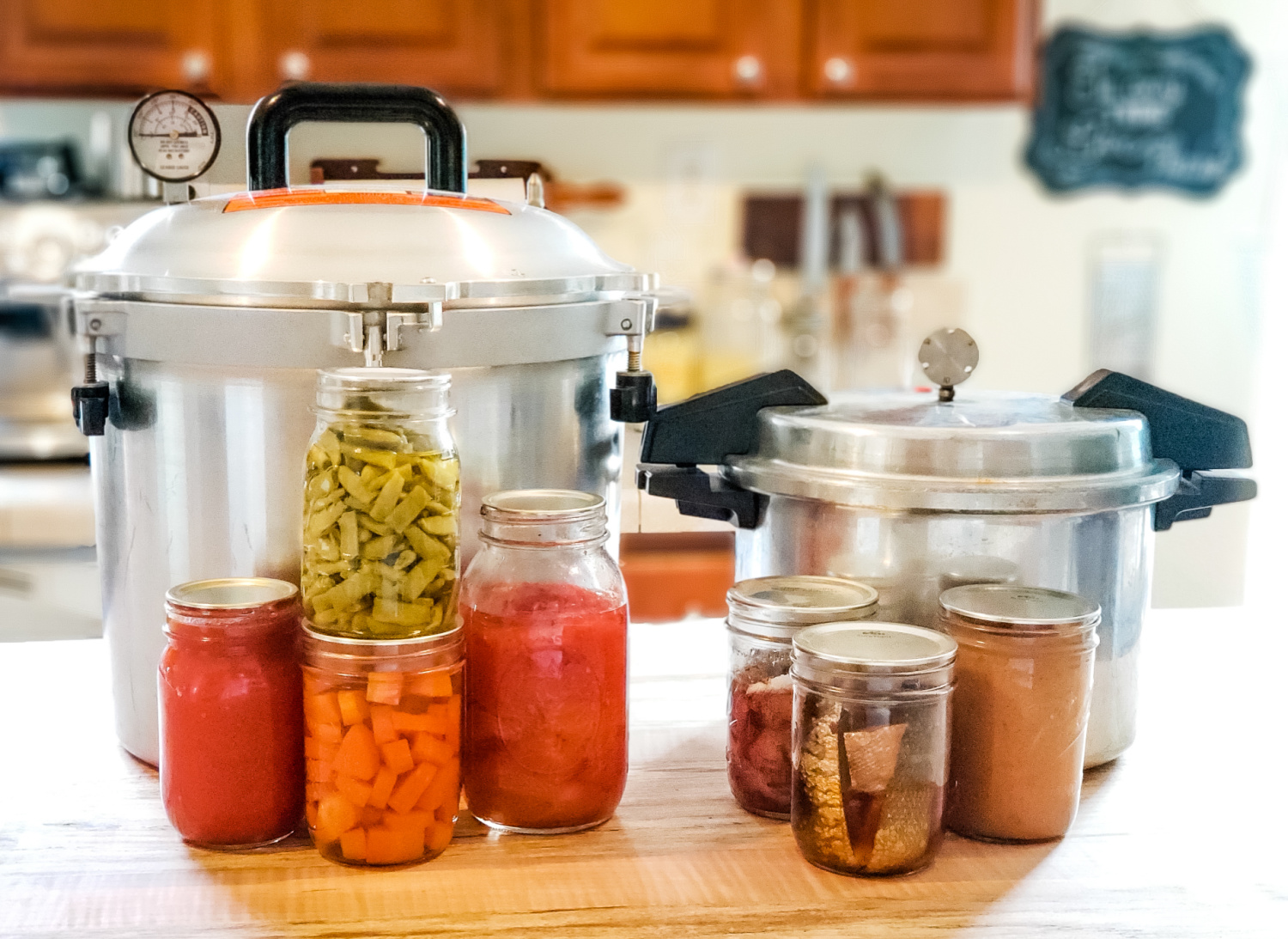

Improper canning of low-acid foods (vegetables, meats, soups) can cause deadly botulism.
- Use a pressure canner (not water bath) for low-acid foods.
- Follow USDA-tested recipes exactly.
- Boil home-canned foods 10 minutes before serving.
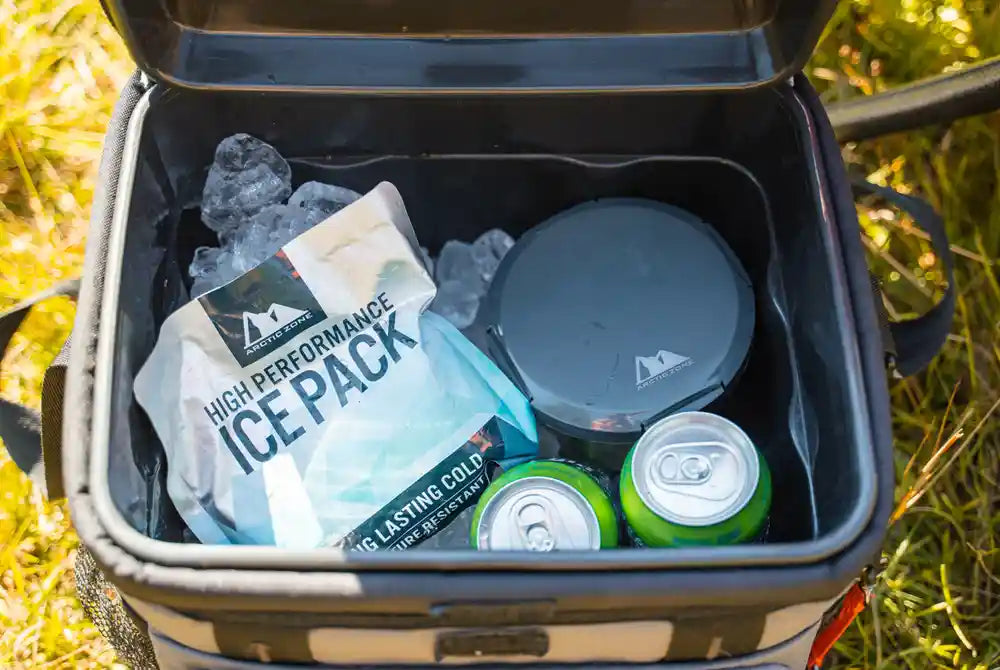
6. Transport and Serve Safely
:max_bytes(150000):strip_icc()/spr-cool-coolers-slim-ice-packs-marisa-viglione-10-294052dfb77141e4abb98b7f5251deb6.jpeg)
:max_bytes(150000):strip_icc()/super-bowl-dips-2504201_wcibf_11_4-2000-630979bae4664972aa1e5fed32630406.jpg)
- Use insulated carriers or coolers with ice packs.
- Cover dishes to protect from insects and germs.
- Use serving spoons (not hands).
When in doubt, throw it out! These small steps show big love for our church family.
For more resources: Visit foodsafety.gov or nchfp.uga.edu (National Center for Home Food Preservation).
What stood out to you from the episode? Share your thoughts or your own food safety tips in the comments below—we’d love to hear how these lessons encourage us all! Look for more inspiring content here on The Torch.
Handout: Serving Food Safely – Food Safety

Begin Your Journey Today
Jesus didn’t just call us to believe in Him—He called us to follow Him.
Step into the life He designed for you through Emmaus Road’s The Commands of Jesus . This is more than learning—it’s an invitation to walk with Him, obey Him, and experience Him in a real and powerful way.
You don’t want to miss this exciting adventure Jesus has called you into.
Start now:
https://GregLancaster.org/StartHere